








Each week, here at Osaka.com, we bring you a selection of some of the top stories about Osaka making the local and national news here in Japan. Sometimes it’s serious, sometimes it’s funny, but it’s always direct to you, from Osaka.
Prosecutors Demand Life Without Parole for Killer of Former PM
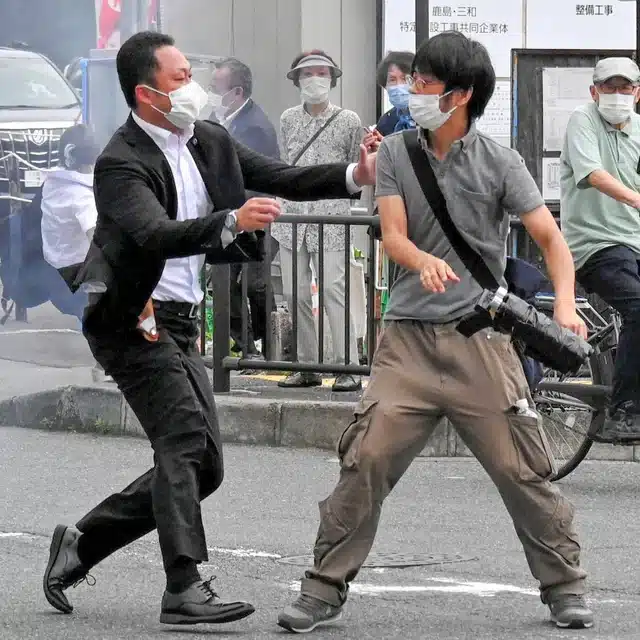
Osaka’s most high-profile prisoner will know his ultimate fate in a matter of weeks. With the trial of Tetsuya Yamagami winding down, prosecutors have demanded the defendant receive a term of life imprisonment without possibility of parole.
Legally, prosecutors could have asked for the Death penalty (Japan still has capital punishment as an option in first degree murder cases). However, whilst legally viable, such a sentence is usually only reserved for serial killers, or cases that may involve additional factors such as prolonged torture or sexual violence.
Whilst there’s no denying that the taking of the life of one of Japan’s most prominent public figures is an outrage, the law needs to be dispassionate in this regard.
Shinzo Abe was a much-loved leader to many, but he was also a divisive figure in some ways. Not only would the death penalty be difficult to substantiate in a legal sense, but it would also set a dangerous precedent. After all, murder is murder and, in accordance with long-established legal protocols, the penalty shouldn’t change just because the victim was famous.
Life Term Faces Challenge Due to Killer’s Past Mental Health
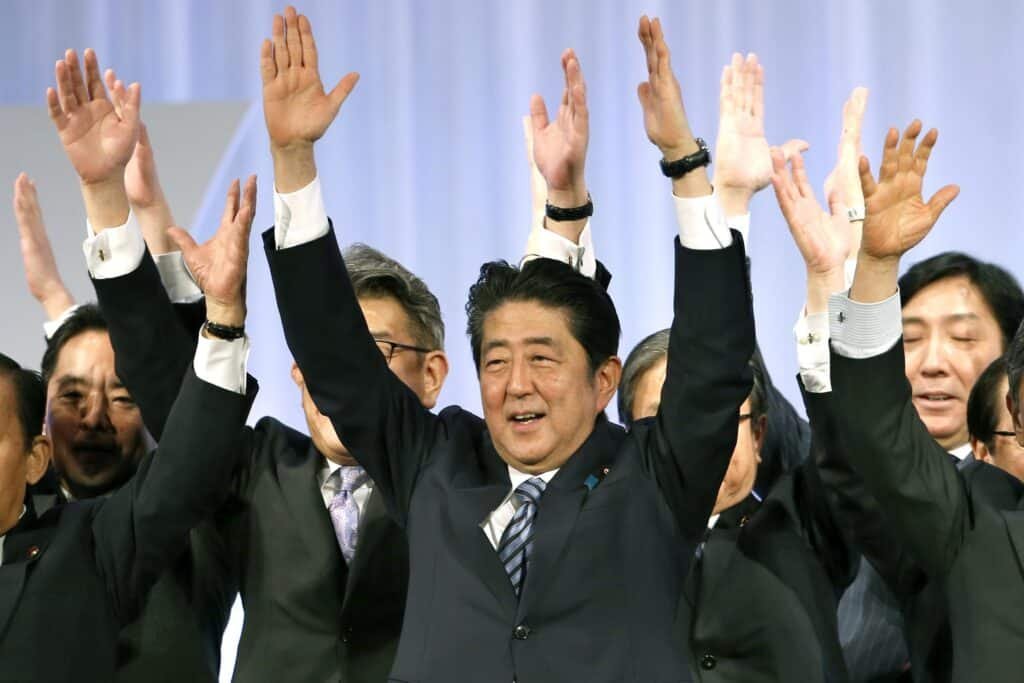
However, even the seeming leniency of life without parole may be difficult to secure under these circumstances. The assassin, Tetsuya Yamagami has been very open about why he targeted Abe. He wanted revenge against the Unification Church, a Korea-based religious cult that bankrupted his family, and indeed thousands of others across Japan over several decades.
Shinzo Abe’s exact links to this cult are not clear. However, he did speak at church events in the past. Additionally, several members of his party, the LDP, received financial support from the church during election campaigns.
Whilst the Japanese public are, rightly, outraged at the cold-blooded murder of perhaps the greatest politician of his generation, there’s also a certain degree of sympathy in some quarters with the assassin and the turmoil his family went through. In addition to financial ruin, the damage wrought on Yamagami’s family by the Unification Church also led to his brother committing suicide.
None of this is a justification for murder, but there is hope amongst Yamagami’s legal team that it may lead to a slightly more lenient sentence than life imprisonment.
Whatever happens, he is probably looking at years if not decades in prison.
The final verdict in the trial is due on January 21st.
Osaka Prefectural Mayor Refuses Government Rice Subsidy Over Quality of Life Row

We’ve reported a number of times over the past few months here on Osaka.com about the ongoing anxieties of residents in Osaka over the cost of living crisis.
Well, things came to a head this week, as the mayor of Katano, a small city in Osaka Prefecture, officially rejected the central government’s rice voucher scheme.
Upon coming to power recently, Prime Minister Sanae Takaichi pledged to do more to tackle the cost of essential items for daily life.
One way of doing this is the “rice voucher” scheme. Basically, this would offer everyone buying rice a 500 yen voucher to be used as a discount when buying rice.
However, critics of the scheme, including Katano’s mayor, say it’s nothing more than a means of funneling government funds into the hands of special interest groups.
Previous Prime Minister Shigeru Ishiba order the release of stockpiles of rice, as well as expanding production to drive down prices. Takaichi’s approach however is to allow rice prices to remain high and provide a government subsidy to those who can’t afford these prices.
The mayor of Katano, and several other prominent government critics claim this is little more than giving government money by proxy to the two agricultural organizations charged with overseeing the voucher scheme.
However, in the face of criticism, Farming Minister Norikazu Suzuki doubled down. He said the government has “no intention of interfering in rice prices”.
Mr Suzuki will probably consider this the end of the matter, but ahead of the planned January rollout of the voucher scheme, many remain unconvinced.
And Finally…
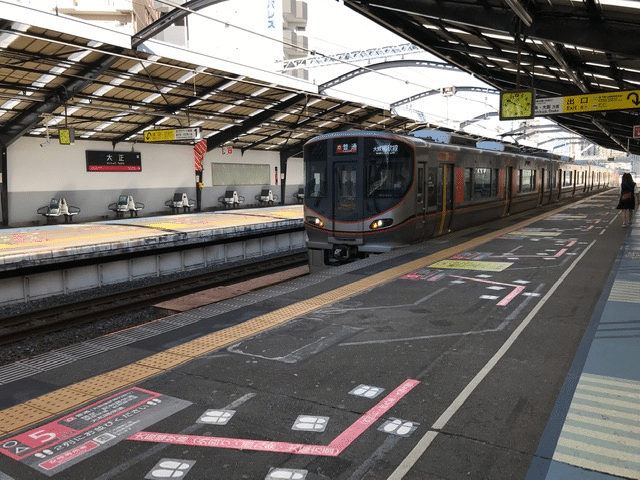
Osaka’s railway staff and emergency services hope the worst will never happen. However, just in case, this week they went through a “worst case scenario” disaster drill, dealing with the fallout from a massive earthquake.
Around 180 rail staff joined with the Osaka Fire Service to carry out a series of drills. Although the chances of a major quake in the next few decades are still considered relatively low, it’s always good to be prepared.
That’s all for now but be sure to check back again same time next week for another round of this week in Osaka!
Table of Contents