






Each week, here at Osaka.com, we bring you a selection of some of the top stories about Osaka making the local and national news here in Japan. Sometimes it’s serious, sometimes it’s funny, but it’s always direct to you, from Osaka.
Spring Tourism Surge Signals Strong Recovery
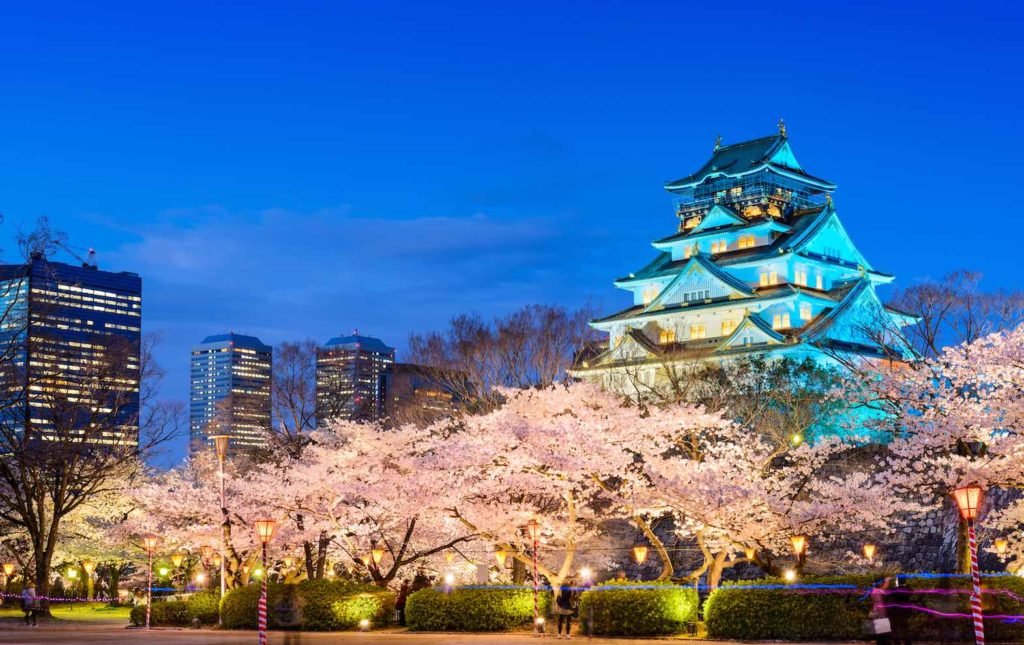
Osaka experienced a notable surge in tourism as the spring season reached its peak this past week.
April is traditionally one of the busiest months for visitors, and this year is proving particularly strong. Popular areas such as Namba, Shinsaibashi, and Shinsekai are seeing increased footfall. Meanwhile hotels and restaurants also reported higher than anticipated occupancy levels.
A busy calendar of seasonal events—including festivals, food markets, and cultural exhibitions—has helped sustain this momentum. The lingering appeal of cherry blossom season has also extended visitor interest beyond the usual peak period.
For local businesses, this influx represents an important boost. After several years of fluctuating travel patterns, the steady return of both domestic and international tourists is a positive sign for Osaka’s economic outlook.Cherry Blossoms Enter Their Final Phase
One of the defining features of Osaka in early April—the cherry blossom season—is now entering its closing stage.
Following peak bloom at the start of last week, petals are beginning to fall across the city’s most famous viewing spots, including Osaka Castle Park and Expo ’70 Commemorative Park. This phase, often described as “sakura snow,” brings a quieter, more reflective atmosphere compared to the crowded peak days.
Late-blooming varieties, particularly yaezakura, are expected to remain visible for a short time longer, offering one final opportunity for the customary hanami parties. Meanwhile, the annual cherry blossom viewing event at the Japan Mint continues to attract strong interest, with controlled entry deployed to help manage swelling crowds.
Even as the season draws to a close, the visual impact of falling petals continues to define the city’s spring landscape.
Spring Tourism Numbers Up, But Economic Uncertainty Hangs Over Osaka

Whilst the news of increased tourist footfall is an undoubted boon for Osaka, wider concerns remain.
At time of writing a ceasefire in the ongoing war between Israel, USA and Iran has remained steady, paving the way for Japan to resume normal oil imports. However, the volatility of the situation means insurers are still reluctant to provide coverage for ships transiting the highly-disputed Straight of Hormuz, where Japan and indeed much of Asia moves the majority of their fuel imports.
Osaka’s Petrochemical plants continue to self-ration their output to keep the market from collapsing. At a cabinet briefing earlier this week, Prime Minister Sanae Takaichi refused to rule out imposing energy rationing across the country if the conflict goes on for longer than expected.
Many travelers moving between Osaka and Europe rely on the Gulf States as a point of transit. At time of writing, all the major airlines in the region, Etihad, Emirates and Qatar Airways all continue to operate at around 50% of normal capacity, with many flights cancelled.
Even if the war ended conclusively tomorrow, the ease with which Iran has been able to hit targets across the region has majorly dented Japanese consumer confidence in these airlines. This leaves their long-term future operating out of Kansai International Airport uncertain at this time.
Infrastructure Challenges Remain in Focus

Despite positive developments in Spring tourism, the state of Osaka’s aging infrastructure remains a major concern this week.
Officials continue to face ongoing pressure to address deterioration across key systems, many of which have been in place for decades. While no new single incident has emerged to grab headlines this week, the broader concern remains firmly in public discussion.
The scale of required upgrades is significant. Replacing aging pipes and cables across multiple districts will require substantial investment, careful planning, and long-term coordination. For city authorities, the challenge lies in balancing immediate safety priorities with the financial realities of large-scale infrastructure renewal.
For residents, the issue serves as a reminder that regardless of external distractions, or the recent spring tourist surge, Osaka must continuously invest in the foundations that keep daily life running smoothly.
And Finally…

We end this week’s news on a lighter not. One story has captured the public’s imagination for entirely different reasons.
A deer spotted wandering through Osaka’s urban streets became an unlikely local celebrity, with sightings reported across multiple neighborhoods. Nicknamed “Shika-yan” by residents, the animal quickly gained attention on social media as photos and videos circulated widely.
Deer are more commonly associated with nearby Nara, making their appearance in central Osaka highly unusual. Authorities eventually stepped in to safely capture the animal and relocate it to a secure environment.
Reports indicate that the deer is settling well into its new home, bringing a calm conclusion to what had become one of the week’s most talked-about stories.
For many, the incident provided a welcome moment of levity—an unexpected reminder that even in a busy city, surprises are never far away.
That’s all for now but be sure to check back again same time next week for another round of This Week in Osaka.
Table of Contents