







Each week here at Osaka.com we bring you a selection of some of the top stories about Osaka making the local and national news here in Japan. Sometimes it’s serious, sometimes it’s funny, but it’s always direct to you, from Osaka.
The Osaka Metropolis Plan sparks a fight over words
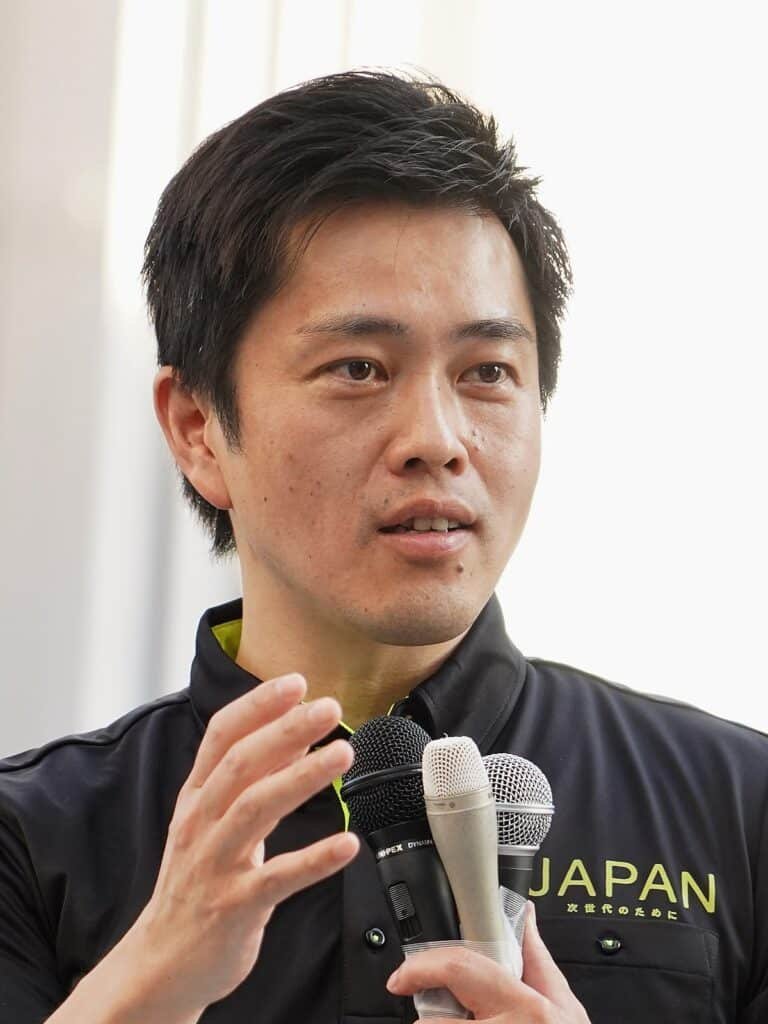
What does it mean to “reorganise” a city? That question moved to the centre of Osaka politics on Friday.
An Osaka City Council committee adopted a petition asking officials to avoid the phrase “abolish Osaka City” in documents about the latest Osaka Metropolis Plan. The petition instead called for wording such as “reorganise.” Under the proposal now under discussion, Osaka City would cease to exist as a designated city and four special wards would take its place. Supporters of the petition argued that “abolish” might lead residents to think their local services, ward offices or public housing would disappear. Choice of words matters here, especially if the plan goes to another public vote.
The committee debate also exposed a broader disagreement. Opposition councillors questioned why Osaka should spend time and money creating special wards to pursue its ambition of becoming a secondary capital. Mayor Hideyuki Yokoyama argued that Osaka needs to bring wider regional administration together so it can drive economic growth and respond quickly during emergencies. Governor Hirofumi Yoshimura, meanwhile, said he wants Osaka’s proposed secondary-capital role built into the Metropolis Plan’s design.
Sakai added another angle on Friday. Mayor Hideki Nagafuji said the city wants to play a role in the secondary-capital project, particularly as a backup for national functions during a major disaster. But he rejected converting Sakai into special wards. If the eventual rules allow it, he would instead discuss a cooperation agreement with Osaka Prefecture. His position suggests that cities within Osaka Prefecture may seek a role in the same national project through different forms of government.
Health officials identify a tuberculosis cluster, Formulate Plan

Osaka City announced on Friday that an investigation linked to a Japanese-language educational institution had identified three people with active tuberculosis and nine other people infected with the bacterium. This total includes the woman whose diagnosis prompted the investigation.
The woman, who is in her twenties, received a diagnosis in July. City health officials then traced and examined people who had been in contact with her. By September 24, they had identified two additional people who developed TB and nine people with infections. Officials had identified 42 contacts at the institution; 39 had undergone checks, and the city planned to examine the remaining three. The three people with active disease were receiving treatment, while the nine infected people were due to start preventive medication.
Those categories are important: infection does not mean a person has developed active TB. The city says its contact investigation is continuing, and it has advised people with a persistent cough, phlegm, a low fever or unusual fatigue to seek medical attention.
The announcement comes during Japan’s tuberculosis prevention week, which runs from September 24 to 30. Osaka Prefecture says it recorded 1,172 newly registered TB patients in 2025, a rate above the national average. These figures give context to the city’s response, while the contact checks focus on the people connected to this particular cluster.
Police investigate early-morning robbery in Kita Ward
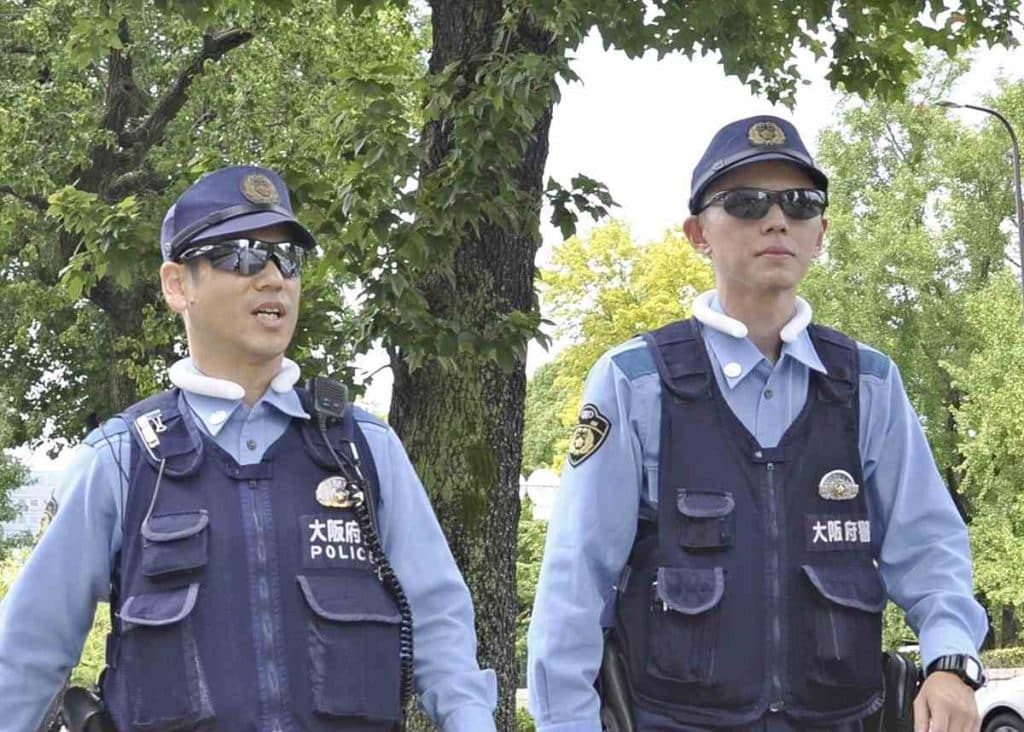
Police are searching for two men after an attack at a park in Nozakicho, Kita Ward, at around 4 a.m. on Thursday. According to Kansai TV, a 38-year-old company executive was sitting and resting when the men approached and asked if he was all right. They then pushed him over and fled with his tote bag, which contained about ¥1 million in cash, as well as his shoes. He suffered a scrape to his elbow. Police are investigating the case as robbery causing injury.
The unusual detail in the initial report is the way the men approached: they appeared to offer help before the assault. Police had not identified the attackers in the report available for this digest. Their motive for targeting the man, and whether they knew he was carrying cash, remain unknown.
And Finally…
Yoshimoto Shinkigeki comedian Ai Sakai took charge of Fuse Police Station for a day as part of the autumn traffic-safety campaign. Her assignment was straightforward: persuade local children to follow the rules of the road and wear bicycle helmets. When she asked them to promise they would wear one, they answered with an enthusiastic yes.
The cheerful exchange came with sobering numbers. Kansai TV reported that roughly half of the accidents recorded so far this year in the Fuse station’s area involved bicycles—222 cases—and that Osaka Prefecture has ranked last in Japan for bicycle-helmet use for three consecutive years. The national autumn traffic-safety campaign continues through September 30.
A comedian wearing a police uniform can command an audience. Whether her young listeners keep their promise on the ride home is the more important performance.
That’s all for now, but be sure to check back again same time next week for another round of This Week in Osaka!
Table of Contents