







Each week here at osaka.com, we bring you a selection of some of the top stories about Osaka making the local and national news here in Japan. Sometimes its serious, sometimes its funny, but its always direct to you, from Osaka.
Police Body Cameras Set for Nationwide Expansion

Japan’s National Police Agency plans to expand the use of body-worn cameras across the country from fiscal 2027, following trials involving police officers in Osaka and several other prefectures.
The agency began testing the small cameras in August 2025. Officers wore them on their chests or headgear while carrying out duties such as questioning people in public, directing traffic and managing crowds.
Osaka Prefectural Police took part in the trial alongside police departments in Tokyo, Fukuoka and other areas. The cameras recorded interactions from an officer’s perspective, giving investigators a clearer and more objective account of what happened.
According to the National Police Agency, the trials showed that the footage could provide useful evidence and help officers review incidents afterwards. The presence of a camera may also discourage confrontational behaviour and reduce disputes over what an officer or member of the public said.
The agency has requested approximately 170 million yen for the financial year beginning in April 2027. It intends to use the money to purchase and operate around 2,000 cameras as part of the initial national expansion.
Police Cameras Give Osaka Officers Crowd Control Options
For Osaka, the change could have a particularly visible effect. Officers regularly deal with vast crowds in areas such as Umeda, Namba, Shinsaibashi and Shinsekai, while major festivals, sporting events and demonstrations place additional pressure on the police. Body-camera footage could help officers document incidents in these busy surroundings.
However, the expansion also raises questions about privacy and data management. Police will need clear rules governing when officers can record, how long departments can retain the footage and who may view it. The earlier trials excluded certain situations, including visits inside private homes.
Body cameras have become common in several other countries, but Japan has taken a comparatively cautious approach. The results of the Osaka trial have now helped convince the authorities that the technology can play a wider role.
If the budget receives approval, residents could begin seeing many more camera-equipped officers on Osaka’s streets from next spring.
Food Tax Plan Fails to Give Government a Boost

Prime Minister Sanae Takaichi’s plan to reduce the consumption tax on food has attracted considerable attention, but it has not yet delivered the political boost her government may have hoped for.
A recent Mainichi Shimbun poll placed Cabinet support at 41 percent, unchanged from the previous survey. Disapproval stood slightly higher at 44 percent.
The government has approved a plan to cut the consumption tax on food and non-alcoholic drinks from 8 percent to 1 percent for two years, beginning in April 2027. A separate benefit would compensate some households for the remaining one percent, effectively removing the tax burden for those who qualify.
For families in Osaka, the proposal offers the prospect of some relief after several years of rising prices. The cost of rice and other everyday groceries has increased sharply, while higher energy and import costs have placed additional pressure on household budgets.
Restaurants and retailers could also feel the effects. Osaka’s food culture forms an important part of the local economy, from neighbourhood supermarkets and family-run cafés to takoyaki stands and larger restaurant chains. Lower taxes could encourage consumer spending, although businesses may face the administrative headache of changing their prices and accounting systems before changing them back two years later.
Osaka Public Still Unconvinced, Amid Cost Concerns
The policy would also come at a considerable cost. Estimates suggest it could reduce annual government revenue by around 5 trillion yen. Critics have questioned how the government can replace that money without adding to Japan’s already substantial debt or cutting funds for social security and public services.
The poll suggests that voters like the idea of paying less for food but remain unconvinced by the government’s broader performance. A tax cut alone may not solve deeper concerns about wages, pensions and the continuing cost-of-living squeeze.
The government still needs parliamentary approval before introducing the measure. The debate over who will pay for it may prove almost as important as the saving shoppers eventually see at the checkout.
Japan Makes Room for 060 Phone Numbers
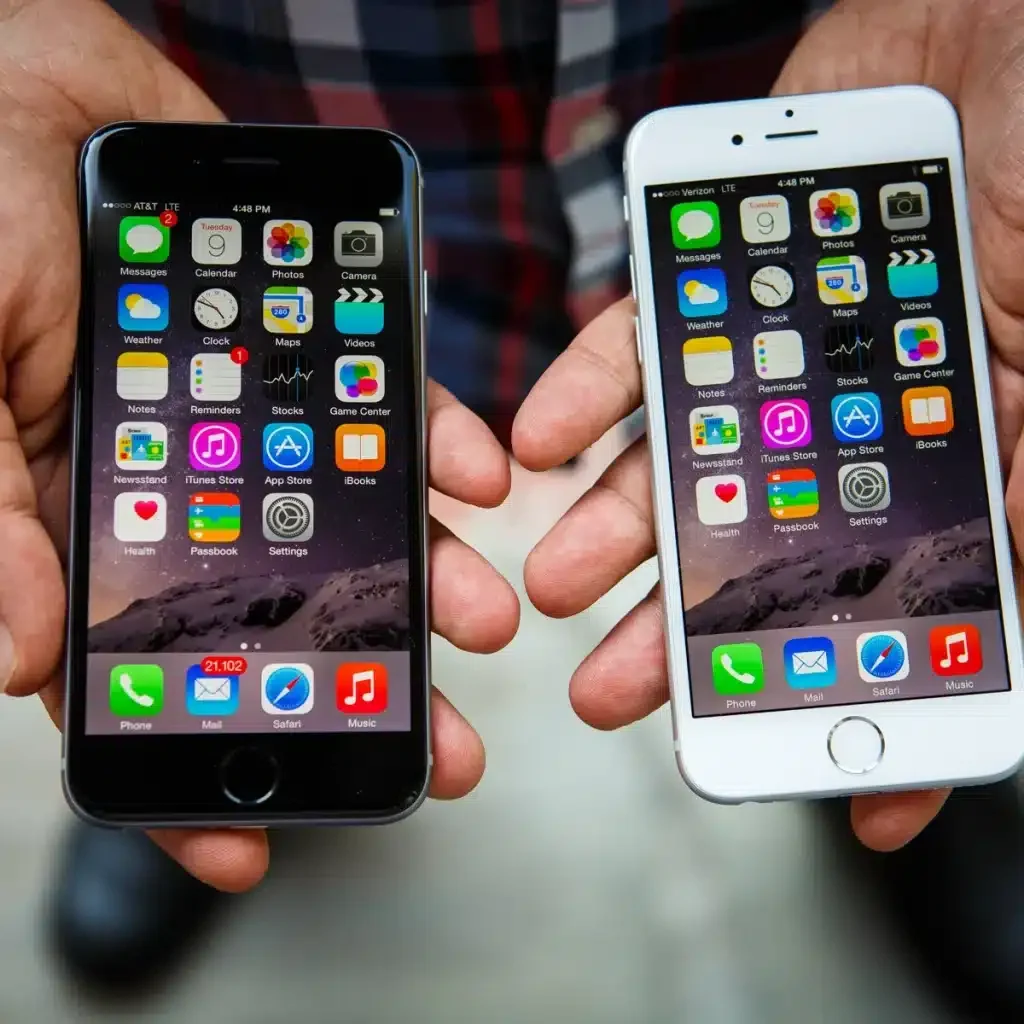
Mobile phone users in Osaka may soon encounter an unfamiliar prefix. Japan plans to introduce numbers beginning with “060” as the supply of existing mobile numbers continues to shrink.
Mobile numbers in Japan currently begin with 090, 080 or 070. However, demand has grown as more people own multiple devices and businesses increasingly use mobile connections in tablets, vehicles, security systems and other equipment.
The new prefix will create approximately 90 million additional numbers, raising the total available supply from around 270 million to 360 million.
Japan originally reserved 060 for a different type of telecommunications service, but changes to the national numbering system have made it available for mobile phones. The Ministry of Internal Affairs and Communications instructed providers to prepare for the expansion as the remaining stock of numbers tightened.
New Number, Same Phone
For Osaka residents, an 060 number will work in the same way as any other mobile number. Users will not need a special phone, and calls to the new numbers should carry the same charges as calls to existing mobile prefixes.
The change may nevertheless cause some initial confusion. For years, many people have informally associated 090 numbers with long-term mobile users, while 070 once had a closer connection with personal handy-phone systems. The arrival of 060 gives Japan one more prefix to remember—and scammers one more set of numbers from which to make suspicious calls.
The change also illustrates how much modern life now depends on mobile connections. Japan has far more active phone numbers than people, and the gap continues to grow as machines increasingly communicate with other machines.
Osaka residents should therefore resist the temptation to assume that an unfamiliar 060 call comes from abroad. It may simply be a new customer, a second phone—or perhaps someone whose refrigerator has become more communicative than expected.
And Finally…

Osaka’s latest celebrity has a doctorate, an enormous green head and remarkably short arms.
Dr. Wani, the official crocodile mascot of the University of Osaka, has enjoyed a surge in popularity since Distinguished Honorary Professor Shimon Sakaguchi won the 2025 Nobel Prize in Physiology or Medicine.
The mascot accompanied the university’s Nobel celebrations and even travelled to Sweden. One photograph shows Dr. Wani copying Alfred Nobel’s pose on the famous medal, giving the university an unusually cuddly representative during one of the most prestigious events in international science.
Dr. Wani’s origins stretch back much further than his recent brush with fame. Workers discovered a large crocodilian fossil during construction work at the university’s Toyonaka campus in 1964. Researchers later identified it as Toyotamaphimeia machikanensis, commonly known as the Machikane crocodile. Japan designated the fossil a national natural treasure in 2025.
The university combined the fossil’s scientific importance with Osaka’s famously playful character to create Dr. Wani. His birthday falls on May 3, marking the date of the original discovery, and his official birthplace is Machikaneyama in Toyonaka.
Following the Nobel Prize announcement, the university produced new illustrations, souvenirs and promotional material featuring its reptilian representative. A photograph of Professor Sakaguchi with Dr. Wani reportedly became the most widely shared social media post in the university’s history.
The Nobel Prize may recognise humanity’s greatest intellectual achievements, but Osaka has once again demonstrated an important local principle: every serious occasion becomes better when a giant crocodile joins the celebrations!
That’s all for now but be sure to check back again same time next week for another round of This Week in Osaka!
Table of Contents