








Each week here at osaka.com, we bring you a selection of some of the top stories about Osaka making the local and national news here in Japan. Sometimes its serious, sometimes its funny, but its always direct to you, from Osaka.
Foreign Students Face Tighter Tuition Support Rules
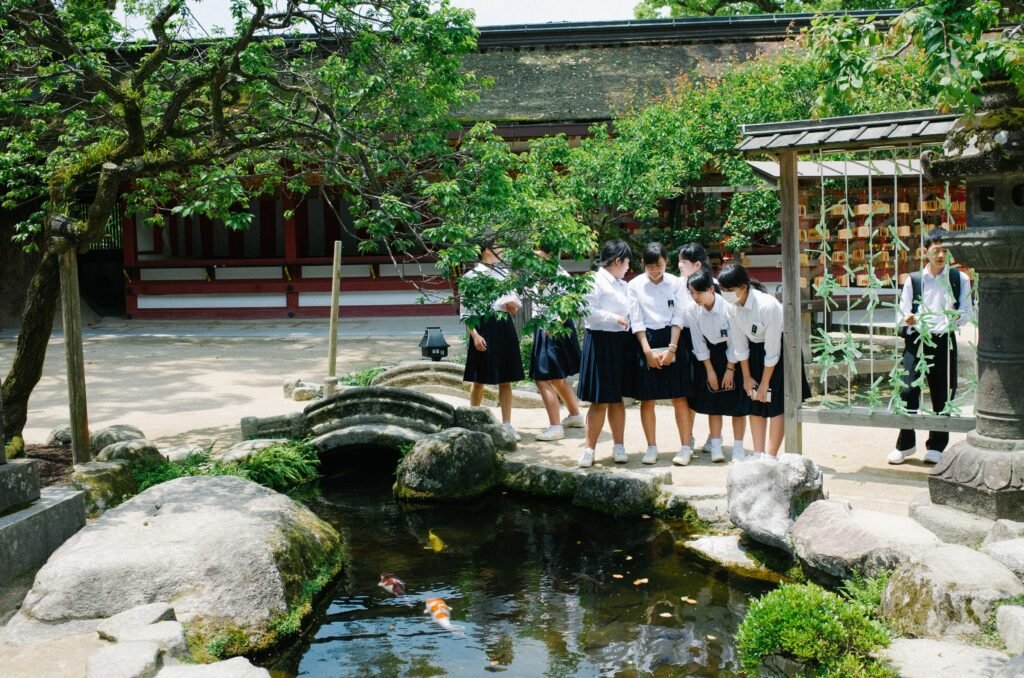
Japan has tightened the eligibility requirements for foreign students. Specifically, new measures target those seeking assistance under the expanded high school tuition support program.
The changes come as the government removes income restrictions from its tuition subsidy system. From the 2026 academic year, more families will qualify for assistance with high school tuition, regardless of household income.
However, the expanded program will not apply equally to everyone.
Under the revised rules, eligibility for foreign nationals will depend partly on their residence status. Another major factor is whether they are expected to remain in Japan on a long-term basis. Students holding a “student” residence status, generally associated with temporary study in Japan, will be excluded from the main program.
The government has said that persons “not expected to settle permanently in Japan” will no longer qualify. Foreign residents with long-term or family-related visas may continue to receive support, provided that they meet the other requirements.
The revised arrangements also change how students attending international and other foreign schools are treated. Japan previously maintained a system under which certain designated foreign schools could qualify for tuition support. That designation system is now being abolished.
Tuition Tensions Rise Amid Uncertainty
Transitional measures will protect some students already enrolled before the changes took effect. Existing students who had previously qualified may continue to receive assistance while they remain at their present schools. Some newly enrolled students may also receive separate support comparable to that offered under the former system. However, this will depend on their residence status and household circumstances.
The government argues that the distinction is necessary. They claim the expanded program is intended primarily to support children who are growing up in Japan and are likely to build their futures here.
Nevertheless, the changes are likely to attract criticism from international families and education providers. Foreign residents living and working in Osaka contribute to the same tax system as their Japanese neighbours. Families may therefore question why a child’s nationality, should limit access to an education program funded from public money.
The abolition of the foreign-school designation system could be especially significant in a diverse metropolitan region such as Osaka. The city is home to long-established Korean and Chinese communities. There are also a growing number of residents from Vietnam, Nepal, the Philippines and other countries.
Following the government’s published policy, the maximum annual subsidy for a full-time private high school rose from 396,000 yen to 457,000 yen. The corresponding ceiling for private correspondence schools has increased from 297,000 yen to 337,000 yen.
For households eligible for the full amount, this represents considerable financial assistance. The controversy lies in determining which students should be allowed to receive it.
The Mainichi’s original report highlights a broader tension in Japanese policy. The government wants to attract overseas talent and integrate foreign families. This goal seems incompatible with simultaneously drawing firmer lines between established residents and people considered temporary visitors.
Osaka Woman Seeks Genetic Test to Prevent Inherited Cancer Risk
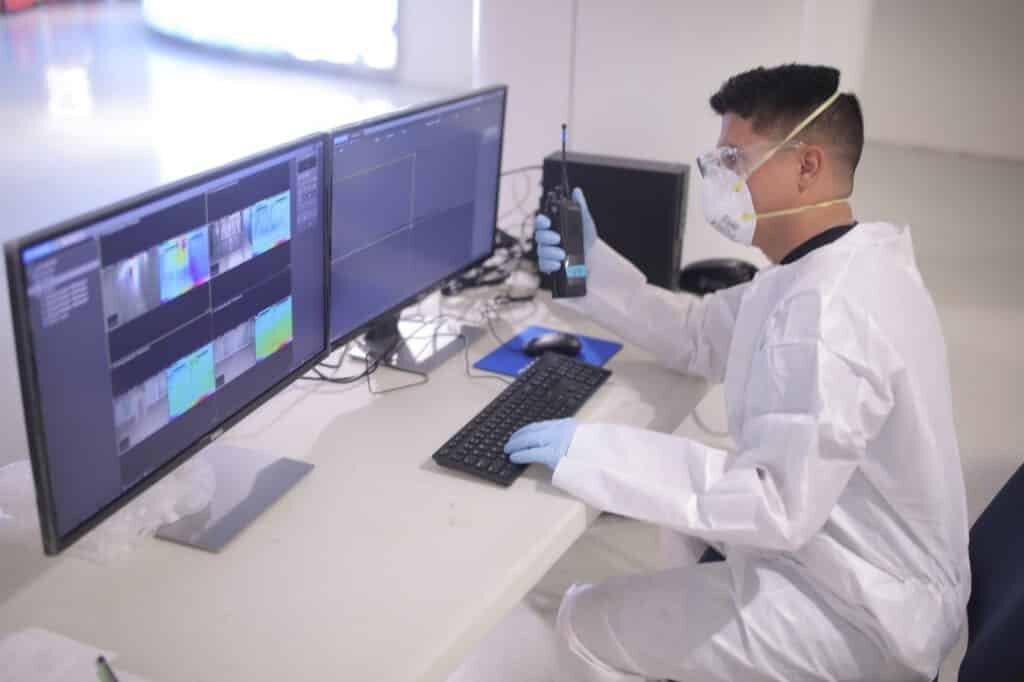
An application from a woman in Osaka Prefecture seeks to expand the circumstances in which Japanese couples are permitted to genetically test embryos before pregnancy.
The woman has hereditary breast and ovarian cancer syndrome, often known as HBOC. The condition is associated with inherited alterations in genes such as BRCA1 and BRCA2. These significantly increase a person’s lifetime risk of developing certain cancers.
She plans to request permission to use preimplantation genetic testing or PGT. This test will determine whether embryos created through in vitro fertilisation carry the genetic alteration.
The procedure involves examining embryos before one is transferred to the uterus. It can allow prospective parents with particular inherited conditions to reduce the likelihood of passing them to their children.
Japan has historically applied strict conditions to such testing. Applications are assessed individually, and the system has generally concentrated on serious genetic disorders that develop at a relatively young age.
HBOC presents a more complicated ethical question. A person inheriting a relevant genetic alteration is not certain to develop cancer. Even if cancer does occur, it may not appear until adulthood, and improvements in monitoring and treatment could further alter the risks faced by future generations.
Approving the Osaka woman’s application could therefore broaden the interpretation of which conditions are considered sufficiently serious to justify embryo testing.
The Osaka case may ultimately influence reproductive medicine throughout Japan.
Rent Increases Put Osaka Tenants Under Pressure
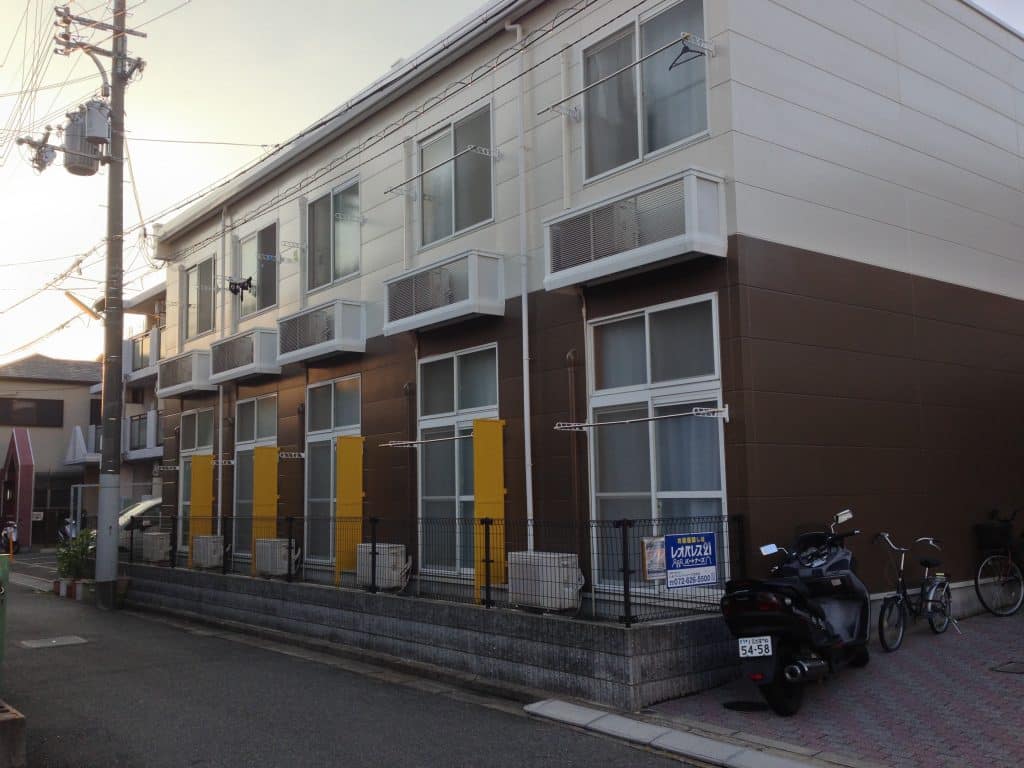
The average advertised rent in Osaka city reportedly reached 72,796 yen per month, representing an increase of 7.3%. Although Osaka remains considerably cheaper than central Tokyo, such an increase can place serious pressure on households whose wages have not risen at the same rate.
A tenant paying around 70,000 yen per month would face an additional annual expense of more than 60,000 yen following even a relatively modest monthly increase of 5,000 yen. For pensioners, single-income families or workers in insecure employment, that amount is far from insignificant.
Japanese tenants do have legal protections. A landlord generally cannot impose an arbitrary rent increase simply by issuing a demand. If the tenant does not agree, the parties may have to negotiate or pursue mediation and court procedures.
However, many residents are unfamiliar with their rights. A forcefully worded letter from a landlord or management company may create the impression that paying the new amount is compulsory. Others may accept an increase because they fear eviction or do not have the time and money to contest it.
The surge in property investment presents Osaka with a difficult balancing act. New capital can fund renovation and bring neglected buildings back into use. Yet if investors base their expected returns on rapidly raising rents, existing residents may be priced out of neighbourhoods they have occupied for years.
The result could be a gradual loss of the relative affordability that has long distinguished Osaka from Tokyo.
The Mainichi report is also a reminder that tenants should seek independent advice before accepting an unusually large increase, particularly when it follows a change in ownership.
And Finally…
We end this week with a story about simple inventions making an enormous difference to people recovering from strokes and other medical conditions.
The online store “nico” offers a collection of assistive products designed for people who have difficulty using one hand. Among them are a bottle opener that allows someone to remove a plastic cap single-handedly and a stand that holds a hair dryer in place.
These may sound like modest innovations, but everyday objects are usually designed for people who can use both hands without difficulty. Opening a drink, drying one’s hair or preparing food can become frustrating or even impossible after a stroke causes weakness or paralysis on one side of the body.
Assistive products can restore more than convenience. Being able to complete an ordinary task without asking another person for help gives users greater privacy, confidence and control over their daily lives.
The devices also demonstrate that useful innovation does not always require an expensive machine or a dramatic scientific breakthrough. Sometimes it begins with noticing an obstacle that most people overlook.
By adapting familiar objects to the needs of people with disabilities, designers can make homes and workplaces more accessible while reducing the burden placed on carers.
For stroke survivors in Osaka and across Japan, something as simple as opening a bottle independently can represent another important step on the road to recovery.
It is a suitably positive conclusion to a week dominated by questions about inclusion: whether in schools, housing, medicine or the design of the objects we use every day.
That’s all for now but be sure to check back again same time next week for another round of This Week in Osaka!
Table of Contents