








Each week here at Osaka.com we bring you a selection of some of the top stories about Osaka making the local and national news here in Japan. Sometimes it’s serious, sometimes it’s funny, but it’s always direct to you, from Osaka.
Mount Koya Temple Lodgings Face Tax Questions
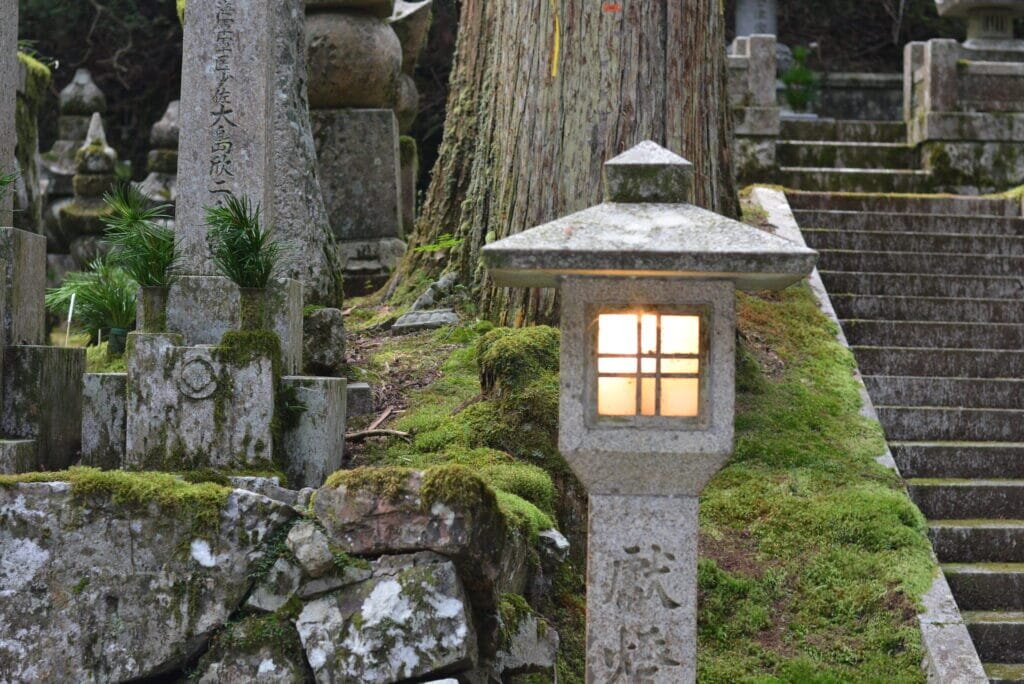
We begin this week in Wakayama Prefecture, where an investigation uncovered more than 100 million yen in undeclared income among religious organisations operating temple lodgings on Mount Koya.
Mount Koya, or Koyasan, is one of Japan’s most important Buddhist sites. Located roughly two hours south of central Osaka, the mountain attracts large numbers of domestic and international visitors each year.
Many stay in shukubo, traditional accommodation operated by Buddhist temples. Visitors can eat vegetarian temple cuisine, attend morning prayers and experience an environment very different from that of an ordinary hotel.
However, the growing commercial popularity of these establishments has also attracted the attention of the Osaka Regional Taxation Bureau.
According to the investigation, tax officials examined a number of religious organisations operating lodgings on the mountain. More than half reportedly failed to declare income correctly, with the combined omissions exceeding 100 million yen.
At Soji-in, located beside Kongobuji Temple, investigators reportedly found that members of the chief priest’s family had received payments from the organisation over a three-year period beginning in 2022. Authorities determined that some of this money had not been handled appropriately for tax purposes.
The organisations concerned reportedly submitted amended tax returns. Additional taxes and penalties across the investigated operators exceeded 60 million yen.
Religious corporations in Japan enjoy tax exemptions for activities directly connected to worship and religious practice. However, operating paid accommodation for tourists can qualify as a commercial enterprise, making income from that part of the organisation taxable.
The distinction becomes increasingly important as Mount Koya develops into a major international tourist destination. There are now 51 temple lodgings in the area, with some offering online reservations and services in several languages.
A night in a temple may provide visitors with an escape from worldly concerns. Unfortunately for the operators, the tax office appears determined to follow them up the mountain.
Question of Osaka as Japan’s Second Capital Get’s Complicated
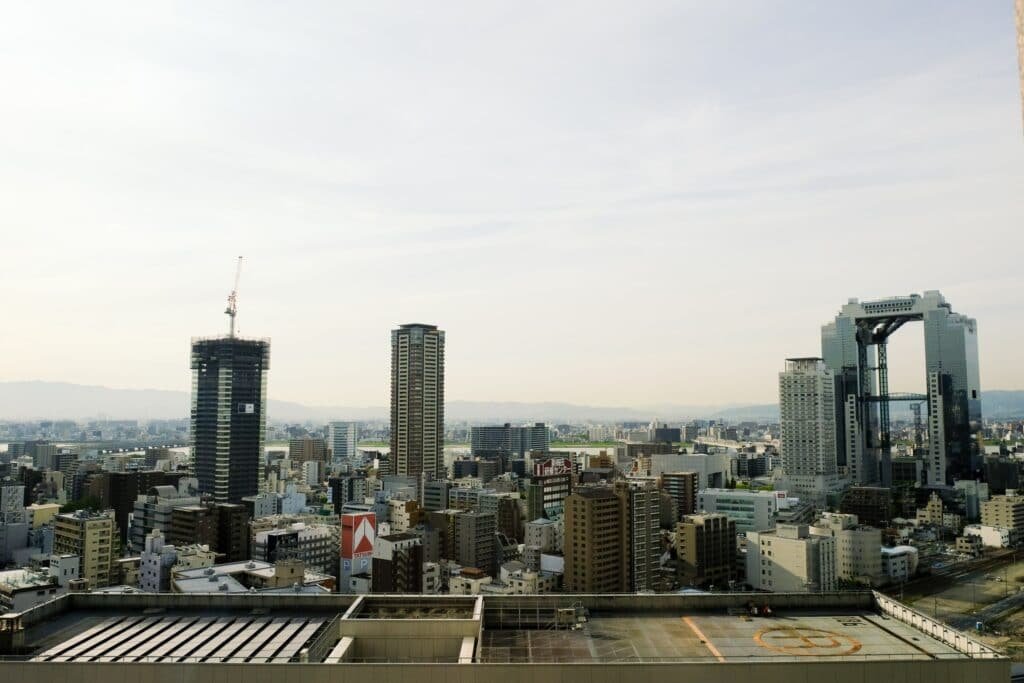
Osaka’s campaign to gain official recognition as Japan’s “second capital” also returned to the headlines this week.
The concept aims to establish a city capable of supporting or temporarily replacing Tokyo’s central functions during a major disaster or national emergency. Tokyo remains Japan’s undisputed political and administrative centre, but concentrating so much authority in one earthquake-prone metropolitan area presents an obvious risk.
Osaka has promoted itself as the natural alternative. It has a large population, a substantial economy, extensive transport links and enough distance from Tokyo to make both cities unlikely to suffer the same disaster simultaneously.
Local leaders also argue that the successful staging of the Osaka-Kansai Expo demonstrated the region’s ability to organise and host projects of national and international importance.
However, Osaka is not the only possible candidate. Other regions, including Aichi Prefecture and the Nagoya metropolitan area, have emphasised their own geographical positions, infrastructure and industrial strength.
This raises a fundamental question: what exactly is a second capital?
The proposed legislation does not simply award the title to a city. Instead, it establishes a framework through which the national government could select and develop one or more locations capable of assuming important functions during an emergency.
Supporters say this would improve Japan’s resilience and encourage regional growth outside Tokyo. Critics worry that a poorly defined selection process could become heavily influenced by political interests.
Fairness and transparency will therefore be essential. Officials must first decide which functions would move, what infrastructure a candidate city would require and how the government would assess competing proposals.
Osaka may consider itself the obvious choice. Nagoya, and perhaps several other cities, may respectfully disagree. Before Japan creates a second capital, it must first decide what it wants that capital to do.
American Investor Takes Major Stake in Kansai Electric

Kansai Electric Power also attracted international attention after US investment firm Elliott Investment Management announced that it had acquired a significant stake in the Osaka-based utility.
Although Elliott did not publicly reveal the precise size of its holding, reports indicated that it had become one of the company’s three largest shareholders. Its stake may amount to as much as five percent.
Kansai Electric supplies electricity throughout much of western Japan and operates several nuclear power plants. Its importance to Osaka and the wider Kansai economy makes any intervention by a major overseas investor particularly noteworthy.
Elliott reportedly wants the company to sell non-core assets, including substantial real-estate holdings, and use the proceeds to strengthen returns for shareholders.
The investment firm estimates that Kansai Electric may possess more than two trillion yen in assets outside its main energy operations. Its proposals reportedly include selling around 150 billion yen of assets annually and increasing dividend payments.
Kansai Electric now faces the challenge of balancing these demands with the enormous cost of maintaining infrastructure, improving energy security and investing in future electricity generation.
The company is also central to Japan’s renewed use of nuclear energy. It operates around half of the country’s restarted reactors and recently began preliminary work towards constructing a new one.
Consequently, this is more than a dispute over dividends. The decisions made by Kansai Electric will affect energy prices, infrastructure investment and the long-term economic security of the entire region.
And Finally…

Finally this week, we head east to Nara Prefecture, where a growing number of runners have concluded that completing an ordinary marathon simply does not provide enough opportunities for pain and regret.
Ultramarathons—races longer than the standard marathon distance—are enjoying increasing popularity across Japan.
The inaugural Nara Ultramarathon took runners through Kashihara, Asuka and other historically significant parts of central and southern Nara Prefecture. Its route combined ancient sites and attractive countryside with the slightly less attractive prospect of running for up to 100 kilometres.
Despite the demanding distance, all 3,000 available places were claimed by the day after registration opened.
Organisers believe ultramarathons appeal to people seeking something beyond competition and finishing times. Routes often pass through rural communities, mountain scenery and historic areas that runners might never otherwise visit.
Supporters also praise the camaraderie that develops between participants. Presumably, once you have voluntarily run 70 kilometres, anyone offering water, encouragement or functioning knee joints immediately becomes your closest friend.
The events can also benefit smaller communities by bringing visitors into areas located far from Japan’s major tourist routes.
Of course, completing 100 kilometres on foot is not for everyone. For those of us who feel tired after walking through Osaka Station in search of the correct exit, even the name “ultramarathon” sounds unnecessarily threatening.
Still, the success of the Nara event proves there is no shortage of people willing to test their limits. A conventional marathon once represented the ultimate endurance challenge. Now, apparently, it is merely the warm-up.
That’s all for now, but be sure to check back again same time next week for another round of This Week in Osaka!
Table of Contents