





Momodani’s cult-favorite Solti “Momo” Mart—and 12 other Nepali gems along Osaka’s JR Loop Line serving the hot new trend Momo

Dumplings. The entire world has long been obsessed with little pastries folded by hand, stuffed with love, and served steamed, boiled, or fried. In Japan, gyoza reigns supreme. If you live in or travel through Japan, you know just how fiercely protected gyoza’s crown is. It is so beloved nationally, there has been little if any fast food style dumpling- or even side dish in decades – that rivals it. Until now! Enter Nepal’s hottest street food trend to Osaka: Nepali style gyoza- internationally known as “Momo“!
Momo are Himalayan spiced dumplings originally from Tibet, passed down through the Himalayas to Nepal then India and beyond! Nepal eventually made this humble dish part of their national identity. These juicy, flavor-packed pockets differ from shop to shop in preparation, cooking style, and the dipping sauces, savory broths, and other foods they are paired with. Though trending globally since the late 1990s, this irresistible dumpling is fast on its way to becoming a booming food sensation right here in the back alleys and station arcades of Osaka!
To help you navigate this trend, we are dropping in on the Momodani Station Arcade to pay a visit to SOLTI Momo Restaurant and side market. We will also include a list towards the bottom of 12 easy-to-reach traditional Nepali hideaways where you can find their special spin on momo dumplings around the Osaka JR loopline.
Table of Contents
Osaka’s Nepali Food Revolution
For many years Nepali-owned eateries operated under the “Indian” banner, serving standard curry and naan tailored to local Japanese tastes. Today, a younger generation of entrepreneurs has flipped the script. Moving away from standard “Indo-Nepali” fusion, they are launching grocers, spice shops, boutiques, and highly authentic restaurants proudly serving a more traditional cuisine: “The food Nepali people traditionally consume daily”.

Traditional Nepali dining is deeply tied to daily rhythms, separating heavy meals from afternoon snacks. A traditional Nepali Thali for instance, beautifully balances six distinct tastes: sweet, sour, salty, bitter, pungent, and astringent. Menus are typically grouped into Khana (set meals), Khaja (snacks), and Momo (dumplings). Often the centerpiece of a menu is centered around carefully arranged traditional Thakali(dal bhat) combination platters, an everyday multi-dish meal served on a single copper or silver plate.

Osaka’s adventurous food lovers are quickly falling in love with these rich, unique flavors, with crowd-pleasing “Momo“leading the charge!
What is a dumpling to you? Filled or unfilled? Juicy or meaty? Living abroad, I’ve realized not everyone defines them the same way.
I myself was raised in the western United States. As we grew up in cold, wet winters, chicken, and dumplings was often on the winter menu. “Chicken and dumplings” feature unstuffed dough made from flour, salt, and butter melted into hot broth—literally “dumped” into the soup. This simpler style actually matches Merriam-Webster’s primary definition: “a small mass of dough cooked by boiling or steaming.” Only their secondary definition mentions dough wrapped around a savory filling.
It is this latter preparation that is found in various styles the world over. Here in Japan, dumplings are known as gyoza, while other countries have their own version complete with original fillings, wrapping styles, and forms of prepartation and cooking- such as China’s simple yet revered xiaolongbao or sui gyoza.

Nearly every culture has a version. From Korean mandu and Polish pierogies to Italian ravioli and Brazilian cochinhas, the world loves small packets filled with ground meat, vegetables, herbs, spices, and more. So, how does Nepal’s spin on the dumpling compare to the rest? Let’s find out!
Just What are Momo?

Momo (pl.) —these beloved South Asian dumplings are no longer just simple steamed street snacks. They have evolved into a culinary playground, featuring everything from traditional comfort food to wild entire global food fusions. Like Japanese gyoza, momo carry a distinct identity.
Originating in Tibet, this hearty side dish is a staple across Nepal and the Himalayan regions becoming a meal all on its own depending on the preparation. While similar to Chinese jiaozi, they are distinctively small with a range of thickness in their wrappers, thin to thick. The inside is often a meat, onion, and vegetable combination mixed with an array of herbs and spices.
Momo can be fried in oil to a crispy-golden finish, pan-seared until smoky, baked, steamed, or boiled. Paired with a hot chili sauce, green peppers and carrots, this steaming presentation is trendy amongst spice heads.
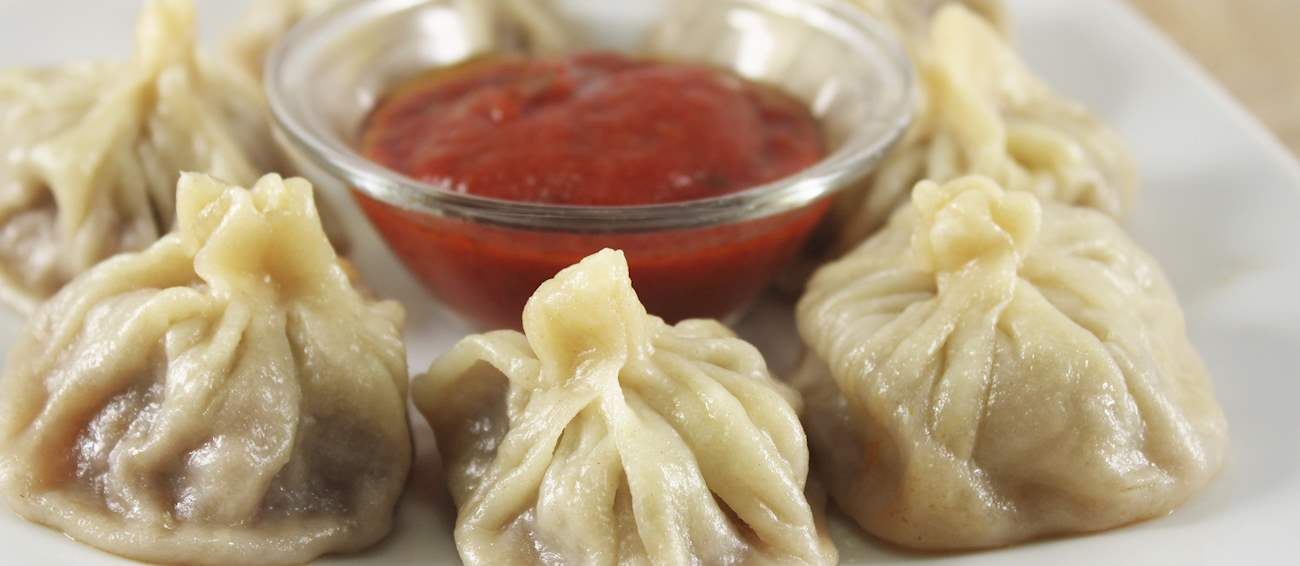
Nepal’s iconic momo at first glance is no different than Chinese wantons. Composed of a thick, flour skein wrapped around a median amount of filling and twisted at its top, it is usually steamed and served with a tomato-achar chili sauce, in a piping hot soup, or floating in a cold tomato-sesame sauce that is creamy and comforting.

The allure of momo lies in the juicy, exotic, and spicy meat juices that burst forth when broken into. These bite-sized, steamed morsels are packed with various meats, vegetables, and just the right amount of fat (often real butter or ghee) to keep them juicy inside. Furthermore, when combined with various dipping sauces and flavorful soups, this Nepalese “snack” reveals an endless array of possibilities!

The longer they were passed down through generations and regions, the more momo took on varying tastes and styles of cooking. Once in the valley under the Himalayas, they spread to India where cumin and other spices were added. India’s most inspirational contribution was to add a fiery red chili sauce to “float” the momo in.
Himalayan Reverie Under a Shōwa Canopy: Inside Osaka’s Solti Momo
Allegedly one of the most popular marks on the map of the MOMO BOOM is Solti Momo! The first floor houses the Nepalese grocery store “Solti Mart,” and the second floor houses the Nepalese restaurant “Solti Momo.” And while momo is our hot number of the day, it’s not the only thing on their menu they are praised for. Their traditional take on Thakli sets present a beautiful platter of colorfully paired traditional food- the ‘Food Nepalis eat any given day’! These platters are showcased in pictures across their front door. A magnet of colors and beautifully arranged, customers are sort of pulled into their humble front doors on an unseen stream of synergy all of Solti Momo’s making!

- Address: 2-1-7 Katsuyama-Kita, Ikuno-ku, Osaka City, Osaka Prefecture (Approximately 4 minutes on foot from JR Momodani Station, located within Momodani Shopping Street) [1, 2]
- Business hours.
- Phone number: 06-6836-9528 [1, 2]
- Features: In addition to purchasing authentic spices and halal ingredients, the restaurant on the second floor offers various momos (steamed, jhol, soup, etc.) starting from 500 yen for 10 pieces, as well as the Takali Kana set (dal bhat) with unlimited rice and dal refills, all at reasonable prices.
- (For closer menu inspection and details, see Solti Momo’s mission statement and menu here:SOLTI MOMO Official Website or Tabelog restaurant page.)
The Dual-Level Ecosystem: Pantry Below, Hearth Above
Stepping off the nostalgic, retro-commercial thoroughfare of the Momodani Arcade, visitors first encounter Solti Mart , a densely curated retail apothecary open daily from 10:00 AM to 9:00 PM. Here, the olfactory tapestry of roasted cumin, Timur (Nepali Sichuan pepper), dried gundruk (fermented leafy greens), and meaty halal cuts sets the prelude for the dining room upstairs. Ascending to the second floor reveals a kitchen and second dining floor overflowing in aroma. Drop by late morning to find Solti Momo Restaurant operating from 11:30 AM to 9:30 PM.
Momo is the hot, trendy dumpling being showcased over Osaka and it’s taking the city by storm! Within Osaka’s rapidly expanding Nepali diaspora dining scene—stretching from Nishinari’s bustling enclaves to Ikuno’s multicultural corridors—numerous Nepali startups have emerged to serve homesick expatriates and adventurous foodies alike. So many great shops can be found with their special take on momo and its pairings and more. Yet word on the street has it that nobody does it better than Solti Momo!
A quick consensus across Google Maps and Tabelog (where our showcase venue commands a stellar 4.6-star rating) positions Solti Momo as a benchmark for uncompromising execution and real world charm!

Nepali residents who flock here say it’s perhaps the best of many decent places throughout Osaka. And though momo is but 10 percent of their entire menu, this gyoza like street food syle dumpling is one of the top reasons guests frequent here. Not only that, but nearly every style of momo preparation can be had here in this humble, grass roots restaurant. (Solti Momo also has sister stores in Nishinari Ku and Kobe with equal ratings.)
Below is a quote from a happy client who posted to Instagram in Solti’s first year open (roughly 140 weeks ago to be exact):
“I received a tip from a certain source that Solti Momo in Momotani, Osaka, is a place that attracts around 200 Nepalese customers a day. Indeed, it was packed with young Nepalese men and women. The signature dish is a thick and juicy momo for 10p/500 yen. Other options include Jhol-style paneer momo, duck choila, and to finish, veg dal bhat. The dal, made with 100% kalo dal, was the thinnest I’ve ever had, and with plenty of ghee on top, I could eat rice endlessly with just that. A dreamy Nepalese drinking/eating experience.
The restaurant opened in September of last year. They have a total of 36 types of momo alone. It’s interesting that paneer momo has its own category. Both the first and second floors are occupied by the restaurant, and the second floor was reserved for a Nepalese party. Next door is a grocery store under the same management. On the other side is a Nepalese restaurant under different management. About 50 meters down the arcade shopping street, there is another Nepalese grocery store and momo stand under different management. Momo is a huge hit in Momodani…

There are about 3,000 Nepalese people living in the Ikuno area, mainly students, and they are flocking to the shop. The owner, Gurung, who started the shop after leaving his IT job, seems to be like an older brother to the students, looking out for them in various ways. However, he was worried that business would decline as 70% of the students would be leaving Ikuno for work or other reasons at the start of the new academic year (of course, there will also be many new students coming in!)

It was 140 weeks ago this was posted and indeed the student population has come down in numbers as had the numbers of seats being filled within the restarant. These days it is fairly easy to find a seat either upstairs or down of an afternoon at this dilligent venue.
Though there are indeed 36 momo types to be had on their menu (There seems to be an ‘ura-menu’ system in place) you can ask if something else is available. I had heard about “BUFF” (short for Buffalo) and asked the a friendly lady who runs the front counter if it was served here-and if so- could I get some ‘deep-fried’? Without hesitation, the order was confirmed and off she went! Absolutely delectable!

Solti’s various momo are indeed a delight both in presentation and taste! The service and welcome is top notch and down to earth. The intrerior is comfortable and hospitable. As for the momo on order, every dumpling is folded by hand to order, resulting in a slight, deliberate wait that rewards diners with resilient, translucent wrappers and deeply aromatic fillings.

Beyond standard steamed iterations, Solti Momo’s repertoire distinguishes itself through regional street-food delicacies rarely executed with such precision in Kansai. Wereas other traditional eateries typically specialize in one or two styles of preparation (ie. steamed or pan fried) Solti Momo specializes in nearly all the styles of preparation to include all the possible meats -or vegetable combinations- to choose from!
Below showcases the various styles of preparation to be had here at this humble eatery. Please go and try some for yourself!


The Author’s preferrence: Pleated & Fried (saku)
- The Momo Taxonomy (10 Pieces | ¥500–¥1,200) Available in chicken, mutton, pork, or vegetarian configurations.
- Steam/Pressure-cooked Momo: ¥500- Hand wrapped dumplings steamed to perfection… A chewy exterior, a juicy punch packed inside!
- Cold Jhol Momo: dumplings steamed then submerged in a chilled, tangy, sesame-and-tomato emulsion called a ‘chilled soup”.
- Chili Momo: popularly known as “C-Momo”: dumplings steamed then tossed in a fiery, sweet-and-sour chili glaze.
- Crispy (Saku-Saku) Momo, which pairs a shattering golden exterior with a succulent, herb-flecked, meaty, juicy interior.
 Momo and delectable pairings within Solti Momo dining room
Possible pairings:
- Laphing (Cold Mung Bean Noodles). A quintessential Tibetan-Nepali street snack seldom found on standard Osaka menus, featuring slippery, gelatinous starch noodles bathed in a pungent, chili-oil, soy, and garlic infusion that delivers an electrifying interplay of cold texture and lingering heat.
- Thakali Khana Set / Nepali Dal Bhat (¥1,250). A masterclass in balanced nutrition and textural contrast, assembling a choice of slow-simmered curry (mutton, chicken, pork, or vegetable), earthy black lentil soup, bitter-sweet sautéed greens (saag), fermented radish pickles (achar), and crisp papad, finished tableside with a fragrant drizzle of molten hot ghee.
- Mutton Sukuti & Sekuwa. Smoky, dehydrated spiced mutton (sukuti) rehydrated and stir-fried with aromatics, alongside charcoal-kissed, spice-marinated grilled meats (sekuwa) that anchor the menu’s savory, izakaya-friendly side.
- Shabaley (Sefali) & Samosa Chaat. Crescent-shaped, deep-fried Tibetan meat pies boasting a flaky crust and juicy spiced filling, contrasted by Samosa Chaat—crushed potato-and-pea pastries layered with yogurt, tamarind, mint chutney, and crunchy sev.
How Momo are Catching-on in Osaka

In Osaka, Nepali Momo dumplings have evolved from a standard curry-house side dish into a standalone street-food! The city is booming with these!! People who are just now hearing about them are wondering “What in the world are Momo?” Let’s examine how local Japanese residents as well as the local diaspora are finding these sensational treats:
- A Familiar Bridge to Japanese Comfort Food. Japanese diners often describe momo as a flavorful cross between pan-fried gyoza and soup-filled xiaolongbao. The chewy wrappers and juicy fillings feel immediately familiar, while the roasted tomato-and-sesame dipping sauce (golbheda ko achar) adds a bold, spicy kick.
- The Nepali Izakaya Boom. This next angle is catching on fast! Across neighborhoods like Ikuno, Nishinari, and Tenma, independent Nepali startups have leaned into Osaka’s chomi-nomi (casual drinking) culture. Locals treat plates of steamed or crispy fried Momo as affordable otsumami (bar snacks) priced around ¥500 to ¥800 per plate of an average of 6-10 peices depending on the venue.
- Authentic Comfort for International Diners. Foreign residents and travelers flock to grassroots spots—such as MOMO STATION in Hanazonocho – a sister shop of Solti Momo in Ikuno—for homestyle recipes, customizable spice levels, and generous vegetarian or meat-free options. [1, 2]
- Beyond Basic Steamed Dumplings. Diners increasingly seek out regional variations. Warm Jhol Momo (submerged in spiced broth) is a winter favorite, while Chilli Momo (C-Momo)—tossed in sweet-and-spicy chili sauce with peppers and onions—appeals to fans of Indo-Chinese flavors and beloved in summer!
Favorite Drink Pairings also go well with this hot little street food:
- Crisp Himalayan and Japanese Lagers. Imported Nepali beers like Nepal Ice and Arna are the top choice at Osaka’s Nepali bars. Their clean, malty finish cuts through the richness of steamed meat fillings and cools down spicy chutney.
- Khukri Rum and Spiced Highballs. Many diners pair evening plates with Nepal’s signature dark Khukri Rum, either on the rocks or stirred into hot spiced tea (Khukri Rum Chiya). Japanese highballs and chuhai are also staples at station-side spots.
- Chilled Lassi and Masala Chiya. For non-alcoholic meals, creamy plain or mango Lassi balances out fiery tomato sauces. Hot Masala Chiya (spiced milk tea) is the classic finish after a steaming basket of dumplings.
- Natural and Orange Wines. A newer trend in Japan’s urban dining scene pairs herb- and ginger-forward Momo with crisp white or skin-contact orange wines. [1, 2, 3, 4, 5, 6]
Classic Food Pairings

- Nepali Tapas and Bar Snacks. At Nepali izakayas, Momo is rarely ordered alone. Diners frequently share a spread with Choila (spiced grilled meat), Mutton Sukuti (spicy dried jerky), Bhatmas Sadeko (crunchy spiced soybeans), and crispy Pani Puri.
- Hearty Street-Style Mains. For a fuller meal, regulars pair a half-order of dumplings with stir-fried Nepali Chowmein, fragrant Biryani, or a traditional Dal Bhat platter.
- Cheese Naan. In Osaka’s Indo-Nepali fusion spots, splitting a plate of Momo alongside freshly baked, honey-drizzled Cheese Naan is one of the most popular combinations on the table. [1, 2]
12 Extra Gems From Tennoji to Taisho on the Osaka JR Loop Line

Tennoji Station — Ganges (Abeno Q’s Town)
Teradacho Station — Nepal India Restaurant Basuri
- Address: Tatsumi Building 1F, 4-10-4 Daido, Tennoji-ku, Osaka-shi, Osaka 543-0052
- Access: 1-minute walk west from the North Exit of JR Teradacho Station .
- Rating: 4.6 / 5 stars (Google)
- Their Special Spin on Momo: Sharply Spiced Minced Chicken Momo featuring a punchy house achar (tomato-coriander dipping sauce) with an intense ginger-garlic kick. [1]
- Pairings: Pani puri , banana lassi, Nepali shochu , or all-you-can-drink party pours.
- Vibe: Spacious 70-seat social hall featuring a built-in stage, bar counter, and karaoke setup designed for lively community gatherings and weekend celebrations.
- Review Snapshot: Guests highlight the warm, attentive service and approachable spice levels, noting it is an easy, high-energy spot to share snacks and drinks right off the train. [1, 2, 3]

Momodani Station — MOMOYAN Nepali Izakaya
- Address: 1-10-33 Momodani, Ikuno-ku, Osaka-shi, Osaka 544-0034
- Access: 3-minute walk from JR Momodani Station inside the covered Momodani shotengai shopping arcade.
- Rating: 4.9 / 5 stars (Google)
- Their Special Spin on Momo: A Pan-fried or deep-fried Nepali Chotani Momo: a crispy, deep-fried vegetable dumpling option that retains all its inner juices while adding a crunchy texture. Made with real Panner cheese and chopped greens. (A perfect vegetarian option). They also serve meat and vegetable combination momo’s paired with a spicy tomato- pepper sauce.
- Pairings: Flaky samosa , bourbon highballs, and ice-cold Japanese draft beer.
- Vibe: Intimate, standing-bar-inspired neighborhood hangout blending Osaka shotengai grit with casual late-night Himalayan hospitality. Fun, casual neighborhood pub with sports television and exceptionally warm, bilingual service.

Momodani Station — Oasis
Address: 2-1-7 Katsuyamakita, Ikuno-ku, Osaka-shi, Osaka 544-0033
Access: 5-minute walk down the shopping street from JR Momodani Station.
Rating: 4.3 / 5 stars (Google)
Their Special Spin on Momo: Traditional Kathmandu-style steamed momos filled with seasoned meat and vegetables wrapped in a thin wrapper. They are served with his sesame- achar dipping sauce.
Pairings: Traditional Nepali Dal Bhat and Dhido sets, spicy Choela (grilled meat), Thukpa , over 50 curries, and cold bottled beers from Nepal (Everest, Nepal Ice, Mustang), India (Kingfisher), and Japan.
Vibe: Relaxed, casual neighborhood dining room with both table seating and sunken horigotatsu tatami booths, hidden right inside the local Momodani shopping arcade.
Review Snapshot: Visitors appreciate the vibe and elegant tapestries on the walls, with frames constructed by the author himself! The menu is an endless list of options all pairing well with momo dumplings!

Tamatsukuri Station — The Best One
- Address: 5-15-11 Shiginonishi, Joto-ku, Osaka-shi, Osaka 536-0014
- Access: About a 15–18 minute walk north from JR Tamatsukuri Station (or a quick 3-minute walk from JR Shigino Station, one stop east of Kyobashi).
- Rating: 4.6 / 5 stars (Google)
- Their Special Spin on Momo: Hand-pleated, deep-fried Nepali momo served with a yoghurt, sesame, and tomato Achar dipping sauce. Served as a hearty savory starter before charcoal-style Himalayan grill platters.
- Pairings: Smoky mutton sekuwa (spiced grilled mutton), cocktails, and chilled beer.
- Vibe: Relaxed, cozy local dining room that feels welcoming to both neighborhood regulars and first-time visitors exploring east Osaka.
- Review Snapshot: Visitors appreciate the approachable staff and flavorful Nepali dishes, noting it is an easy, unintimidating spot for newcomers to order authentic Himalayan food. [1]

Kyobashi Station — Flavor Fusion Asian Dining & BAR
- Address: 2-4-19 Miyakojima Minamidori, Miyakojima-ku, Osaka-shi, Osaka 534-0023
- Access: 4-minute walk west from JR Kyobashi Station.
- Rating: 4.8 / 5 stars (Google)
- Their Special Spin on Momo: Tom Yum Soup Momo: Available on their Nepali menu for ¥850, this fusion dish pairs traditionalNepali dumplings with the tangy, aromatic heat of Thai Tom Yum broth.hick, chewy steamed wrappers packed with juicy, aromatic spiced meat, positioned as a flagship dish on a pan-Asian fusion menu.
- Pairings: Fragrant biryani sets, seekh kabab, wine, or herbal rosemary chicken.
- Vibe: Modern, polished, and calm dining bar with flexible seating that bridges after-work drinks and cross-border Asian dining.
- Review Snapshot: Diners rave about the vibrant presentation and bold flavors across its Nepali, Indian, and Thai offerings, calling it one of the top spots near Kyobashi. [1]
Temma Station — Kantipur Kitchen

- Address: Takeya Heights, 6-20 Kurosakicho, Kita-ku, Osaka-shi, Osaka 530-0023
- Access: 5-minute walk north from JR Temma Station (just steps from Tenjinbashisuji Shopping Street).
- Rating: 4.6 / 5 stars (Google)
- Their Special Spin on Momo: Artisanal steamed tandoori smoky momo (carrying on the beloved legacy of Osaka’s legendary Tenroku institution Kantipur, revived in June 2026) with deeply spiced, homestyle fillings.
- Pairings: Custom-spiced Nepali curries, aromatic biryani, and bar drinks.
- Vibe: Phoenix-from-the-ashes neighborhood favorite with counter and table seating, sports broadcasts, and a warm, family-friendly bar atmosphere.
- Review Snapshot: Longtime Osaka curry and Nepali food fans celebrate its 2026 return, praising the kitchen for matching the original Kantipur’s unmistakable depth of spice. [1]
Osaka / Umeda Station — Mt. Everest

- Address: 14-28 Doyamacho, Kita-ku, Osaka-shi, Osaka 530-0027
- Access: 8-minute walk east from JR Osaka Station through the lively Doyama nightlife district.
- Rating: 4.8 / 5 stars (Google)
- Their Special Spin on Momo: Generously portioned, deeply seasoned, Nepali momo built to hold their own in Umeda’s competitive dining core. Doused in a generous ladle of bubbling hot mustard seed oil made from Ghee.
- Pairings: Bone-in mutton curry, tandoori chicken, Nepali sausage, and ice-cold draft beer.
- Vibe: Bustling, welcoming, late-evening casual dining spot tucked amid Doyama’s neon-lit entertainment streets.
- Review Snapshot: Reviewers repeatedly single out the genuine warmth of the staff and authentic chicken and mutton dishes as some of the best Nepali food in central Osaka. [1]
Fukushima Station — Nepal Tea House Kathmandu

- Address: 7-3-6 Toyosaki, Kita-ku, Osaka-shi, Osaka 531-0072
- Access: Roughly a 20-minute walk northeast from JR Fukushima Station (or a 4-minute walk from Osaka Metro Nakatsu Station).
- Rating: 4.9 / 5 stars (Google)
- Their Special Spin on Momo: Delicate guccha momo (steamed meat-and-vegetable dumplings served with spicy dipping sauce) and bite-sized momocha featured inside elaborate Newari khaja platters.
- Pairings: Single-origin Nepali loose-leaf teas, choila (chargrilled spiced meat), pani puri, and dal bhat.
- Vibe: Stylish, tranquil tea salon featuring curated tableware and a refined, slow-paced departure from standard curry houses.
- Review Snapshot: Guests adore the thoughtful tableware, welcoming complimentary tea service, and staff who enthusiastically walk newcomers through traditional Nepali snacks. [1]
Bentencho Station — Namaste Baudda (Namaste Boudha)

- Address: 3-5-20 Ichioka Motomachi, Minato-ku, Osaka-shi, Osaka 552-0002
- Access: 5-minute walk from JR Bentencho Station (2 minutes from Osaka Metro Exit 6).
- Rating: 4.5 / 5 stars (Google)
- Their Special Spin on Momo: Tibetan-style momo (Tibetan Momo), highlighting the Himalayan borderland heritage shared between Kathmandu’s Boudhanath neighborhood and Tibet.
- Pairings: Nepali Thakali sets, keema curry, and freshly baked naan.
- Vibe: Intimate, 18-seat neighborhood counter-and-table eatery offering a quiet residential refuge near the bay area.
- Review Snapshot: Diners commend its authentic Nepali-Indian flavors, standout naan, and high-value lunch and dinner sets. [1, 2]
Nishikujo Station — Nepali Kitchen Mountain

- Address: 1-7-18 Nishikujo, Konohana-ku, Osaka-shi, Osaka 554-0012
- Access: 2-minute walk from JR Nishikujo Station.
- Rating: 4.4 / 5 stars (Google)
- Their Special Spin on Momo: Freshly rolled, made-to-order momo prepared right in front of diners, anchored within a deeply traditional Nepali menu that even includes dhindo (buckwheat/millet porridge).
- Pairings: Crisp samosa, pakora, pani puri, and bottled Nepali beer.
- Vibe: Cozy, family-run corner kitchen right off the Universal Studios Japan transfer hub, radiating genuine mitho cha (“it’s delicious”) hospitality.
- Review Snapshot: Reviewers love watching fresh food cooked to order at wallet-friendly prices, praising the rare availability of true Nepali staples like dhindo alongside tasty momo. [1, 2, 3]
Taisho Station — Asian Dining Manisha

- Address: 1-3-25 Taishi, Nishinari-ku, Osaka-shi, Osaka 557-0002
- Access: 2-minute walk east from JR Shin-Imamiya Station (steps from Dobutsuen-mae Station).
- Rating: 4.6 / 5 stars (Google)
- Their Special Spin on Momo: Steaming vegetable and meat soup momo ( jhol style) served in Nishinari’s booming Little Nepal corridor.
- Pairings: Authentic Mutton Nepali khana sets (with skin-on bone-in mutton and gundruk pickles), chicken biryani, and papad .
- Vibe: Local & International Crowd. During peak weekday lunches, the room fills up with neighborhood regulars, while
evenings and off-peak hours tend to be much quieter and draw a mix of locals and international visitors. - Review Snapshot: High Value for Money. With lunch sets starting around ¥850 and filling dinner sets like the
Butter Chicken Curry set at ¥1,090, guests highlight the portion sizes and affordability as major draws.
🥟 Quick Loop Guide Summary
| JR Station (Counter-Clockwise) | Food / Startup | Walk from Station | Signature Momo Style | Best Pairing |
|---|---|---|---|---|
| Tennoji | Ganges (Abeno Q’s Town) | 1 min | Classic juicy steamed momo | Nepali chow mein & draft beer |
| Teradacho | Local Indian Restaurant Basuri | 1 min | Spice-forward street momo | Pani puri & Nepali shochu |
| Momodani | MOMOYAN Nepali Izakaya | 3 min | Izakaya -style crispy fried & steamed momo | Flaky samosa & bourbon highballs |
| Momodani | The Oasis Cafe | 5 min | Steamed chopped chicken and vegetable momo | Thakali khana sets & Nepali beer |
| Tamatsukuri | The Best One | 15–18 min (3 min from Shigino) | Hand-pleated savory starter momo | Smoky mutton sekuwa |
| Kyobashi | Flavor Fusion Asian Dining & BAR | 4 min | Thick, chewy pan-Asian steamed momo | Fragrant biryani & seekh kabab |
| Temma | Kantipur Kitchen | 5 min | Artisanal, deeply spiced homestyle momo | Custom-spiced Nepali curries |
| Osaka / Umeda | Mt. Everest | 8 min | Generous, deeply seasoned momo | Bone-in mutton curry & draft beer |
| Fukushima | Nepal Tea House Kathmandu | ~20 min (4 min from Nakatsu) | Delicate guccha momo & bite-sized momocha | Single-origin Nepali loose-leaf tea |
| Bentencho | Namaste Baudda | 5 min | Himalayan borderland Tibetan Momo | Nepali Thakali sets & keema curry |
| Nishikujo | Nepali Kitchen Mountain | 2 min | Freshly rolled, made-to-order momo | Traditional dhindo & crisp pakora |
| Taisho | Asian Dining Manisha | 1 min | Classic steamed chicken Jol chilled soup momo | Lunch: Chow Mein & Halal Kebabs |
| Shin-Imamiya | Namaste Lumbini | 2 min |
From Local Soul Food to Global Stardom
Ask any Nepali, and they will tell you: Momo is far more than just Nepal’s unofficial national dish; it is a unifying cultural symbol of hospitality, resilience, and shared identity across a remarkably diverse nation.
Over generations, momo transcended ethnic, caste, and regional boundaries to become the ultimate equalizing street food and celebratory staple. Whether folded together during family gatherings or shared over tea at neighborhood stalls, carrying on the tradition of making and eating momo connects Nepalis worldwide to the warmth of home, communal generosity, and the enduring heritage of their homeland.
Wherever you wish to roam, wether you hop, as we have done, around the JR LOOP Line of Osaka, counterclockwise, or wether you choose to pop in where you wish any where along the loop by going direct to a particular station listed here, we hope this guide has served you well!