








Each week here at Osaka.com we bring you a selection of some of the top stories about Osaka making the local and national news here in Japan. Sometimes it’s serious, sometimes it’s funny, but it’s always direct to you, from Osaka.
Hokuriku Shinkansen Extension Moves One Step Closer to Osaka
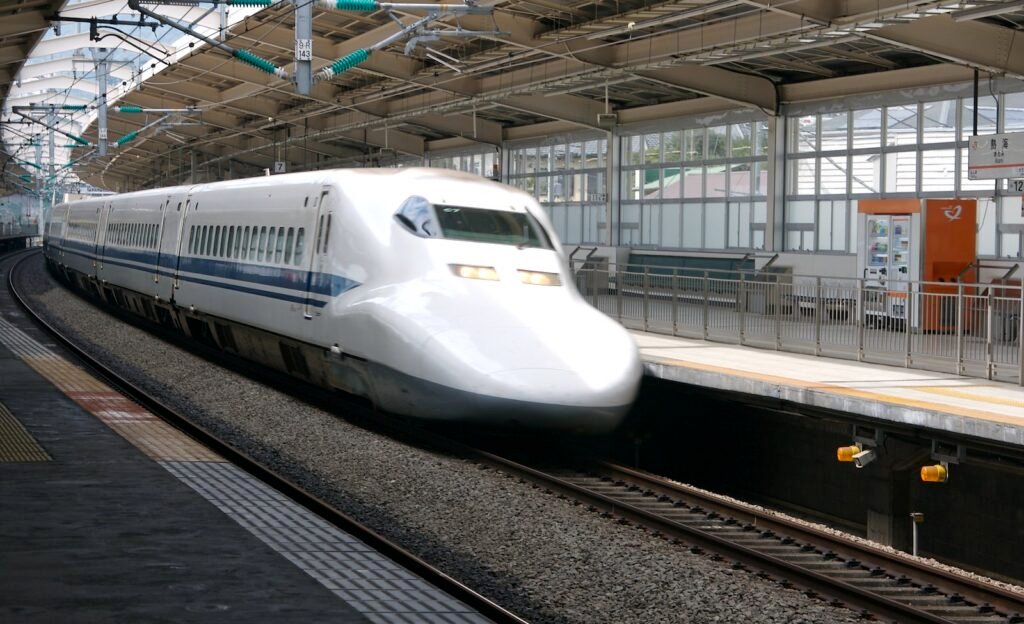
One of western Japan’s most important infrastructure projects took another significant step forward this week after Japan’s ruling coalition reaffirmed plans to extend the Hokuriku Shinkansen from Tsuruga to Shin-Osaka.
Following months of debate, the Liberal Democratic Party (LDP) and its coalition partner, Nippon Ishin (Japan Innovation Party), agreed to continue with the Obama-Kyoto route, selecting an area near JR Katsuragawa Station as the preferred location for Kyoto’s new Shinkansen station.
Although construction is still some way off, the decision is an important milestone for Osaka. Once completed, the extension will make Shin-Osaka the southern gateway to the Hokuriku region, strengthening rail links between Kansai and cities along the Sea of Japan coast while improving tourism and business opportunities throughout western Japan.
However, the project remains far from straightforward.
Kyoto officials continue to raise concerns about the potential impact on groundwater, archaeological sites and the city’s cultural heritage. The estimated construction cost—potentially reaching ¥5.5 trillion—has also sparked ongoing debate over how much local governments should contribute.
Despite those concerns, Fukui officials welcomed the ruling parties’ decision, describing it as an important breakthrough after years of campaigning for the Obama route.
Supporters are now hoping the necessary approvals can be secured in time for construction to begin during fiscal 2027. While passengers may still have to wait several years before boarding a direct Hokuriku Shinkansen into Shin-Osaka, this week’s announcement marks meaningful progress on one of Japan’s most closely watched transport projects.
Osaka’s Metropolitan Vision Remains on the National Agenda
Osaka also remained firmly in the national political spotlight after Japan’s Diet voted to extend its current parliamentary session by eight days until July 25.
The additional time will allow lawmakers to continue debating several important pieces of legislation, including a proposed law establishing a “second capital” capable of supporting Tokyo during major disasters or national emergencies.
While the proposal would benefit the country as a whole, it carries particular significance for Osaka.
The legislation supports Nippon Ishin’s long-term vision of strengthening Osaka’s role as Japan’s second major administrative centre through the creation of a metropolitan government modelled on Tokyo’s system of special wards.
Supporters argue that decentralising some national functions would improve disaster preparedness while giving Osaka greater administrative flexibility and encouraging further investment across the Kansai region.
The parliamentary timetable had become increasingly congested following an opposition boycott in late June, but with negotiations now back on track, the ruling coalition hopes to pass both the second capital legislation and constitutional referendum reforms before the extended session concludes later this month.
Regardless of the final outcome, the continued prominence of Osaka in national policy discussions reflects the city’s growing influence within Japanese politics.
City Appeals for Help as Waste Facilities Come Under Pressure

Closer to home, Osaka City is asking residents to help reduce household rubbish after a combination of maintenance work and equipment failures placed unusual pressure on the region’s waste disposal system.
The Osaka Waste Management Authority, which serves Osaka, Yao, Matsubara and Moriguchi, says only ten of its twelve waste incinerators are currently operating. As a result, facilities have struggled to keep pace with the amount of rubbish arriving each day.
Officials say household waste volumes have remained higher than expected since the COVID-19 pandemic, leaving storage pits at several plants close to capacity.
Although regular collections continue as normal, the authority has warned that prolonged pressure could eventually affect waste collection if processing capacity cannot be restored quickly. Discussions are already taking place with neighbouring municipalities to see whether some waste can be diverted temporarily while repairs and scheduled maintenance continue.
For now, the city is asking residents to play their part by reducing unnecessary waste, recycling correctly and avoiding food waste wherever possible.
Small changes by individual households may seem insignificant, but across a city of nearly three million people they could make a substantial difference while the system works through its current challenges.
And Finally…

Who knew one of Osaka Prefecture’s trendiest publications would come from… the Human Resources Department?
Yao City Hall has embraced a relaxed dress code that allows employees to wear T-shirts and sneakers throughout the year, provided they still maintain a clean and professional appearance.
To make sure nobody accidentally turned up dressed for the beach instead of the public counter, city staff created their own digital Style Book—a surprisingly stylish guide featuring municipal employees modelling approved outfits in photo shoots around City Hall.
The initiative is designed to make local government jobs more attractive to younger workers as municipalities across Japan compete to recruit and retain staff.
Ironically, despite the new freedoms, only around 30 percent of employees have actually swapped business shirts for casual wear. Many staff who interact with residents every day still prefer traditional office attire, perhaps deciding it’s safer to risk a paper cut than become the first person ever criticised for wearing “overly enthusiastic trainers.”
Still, if the idea catches on, Yao could soon become home to Japan’s most fashion-conscious city hall—where the paperwork remains serious, but thankfully, the dress code doesn’t have to be.
That’s all for now, but be sure to check back again same time next week for another round of This Week in Osaka!
Table of Contents